We have been working through a series on the book of Revelation. This book of the Bible can be difficult to understand for a variety of reasons, so we are taking it slow and studying it bit by bit together.
In Chapter 3, we find the final letter to the seven churches. The city of Laodicea was situated 45 miles southeast of Philadelphia. Many of the churches—including Pergamum, Thyatira, Sardis, Philadelphia, and Laodicea—were located along the same main road. Laodicea itself was 100 miles east of Ephesus and was particularly known for its luxurious black wool, a desirable commodity, making the city prosperous. The city also had a school of medicine, attracting scholars and practitioners, as well as a temple dedicated to Men Karou, the god of healing. In addition, the Laodiceans also honored the Roman god Zeus and the city was home to a significant Jewish community.
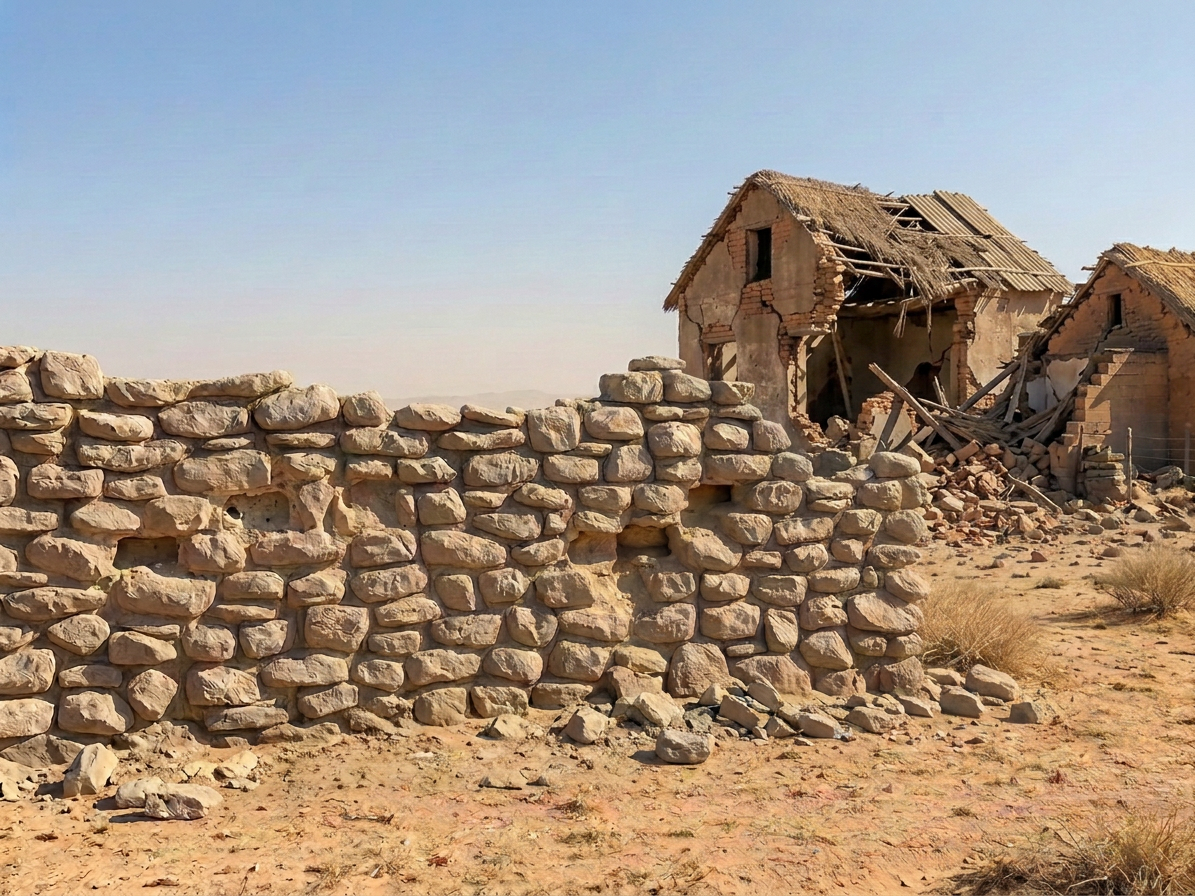
Laodicea, similar to Philadelphia, was located in an earthquake-prone region. As a result, earthquakes frequently caused substantial damage, but the wealthy citizens of Laodicea had the resources to rebuild their city. Despite their affluence, the city faced a significant challenge: it lacked its own water supply. To address this need, water was transported through a system of aqueducts that spanned six miles, bringing in fresh water from surrounding areas. On either side of Laodicea, there were two neighboring cities, each offering a natural water source; one hot springs, while the other provided cold water.
In Chapter 3 of Revelation, starting in verse 14, Jesus says to John, “To the angel of the church in Laodicea write: These are the words of the Amen, the faithful and true witness, the ruler of God’s creation.”
As with the other letters to the churches, Jesus begins by describing Himself. He is the Amen, which means certain or ‘so be it’, His words are true. Jesus also calls Himself the true witness and ruler of God’s creation. Colossians 1:15 says, “Christ is the visible image of the invisible God. He existed before anything was created and is supreme over all creation,16 for through him God created everything in the heavenly realms and on earth. He made the things we can see and the things we can’t see—such as thrones, kingdoms, rulers, and authorities in the unseen world. Everything was created through him and for him.17 He existed before anything else, and he holds all creation together.”
In verse 15 Jesus continues, “I know your deeds, that you are neither cold nor hot. I wish you were either one or the other! 16 So, because you are lukewarm—neither hot nor cold—I am about to spit you out of my mouth.”
As with the other letters, Jesus makes it clear that He is not a far-off or removed God but is actively involved in the lives of His followers. He walks among His people and is intimately aware of the condition of every church: their deeds, struggles, triumphs, and how deeply they love Him. To the believers in Laodicea, He delivers a hard message that challenges them to reflect on their spiritual condition. Jesus expresses that the church’s deeds and their tepid love for Him make Him feel sick. Their lukewarm faith is unsatisfactory.
Whether the water was coming from the cold springs or the hot springs, by the time it reached Laodicea, it had become lukewarm after a six-mile journey through the aqueducts. The water immediately surrounding Laodicea was undrinkable with heavy mineral deposits, resulting in vomiting when consumed. This is why the inhabitants had to pipe in water from nearby sources. Jesus’ warning serves as a wake-up call for the believers to ignite their passion and recommit themselves wholeheartedly to Him.
Jesus continues in verse 17, “You say, ‘I am rich; I have acquired wealth and do not need a thing.’ But you do not realize that you are wretched, pitiful, poor, blind and naked. 18 I counsel you to buy from me gold refined in the fire, so you can become rich; and white clothes to wear, so you can cover your shameful nakedness; and salve to put on your eyes, so you can see.”
The immense wealth in Laodicea created a dangerous complacency that dulled their spiritual awareness and blinded them to their true condition. Jesus rebukes them by telling them that they may have money and material possessions, but they are in a very poor state, spiritually impoverished. Their emphasis on earthly wealth has caused them to overlook the rich treasures found in a relationship with God. Their lives are consumed by the pursuit of material things versus the kingdom of God. This misplaced focus results in their blindness and shame leading them away from the joy and fulfillment that come from living in alignment with God.
Jesus then gives the church advice, “buy from me gold refined in the fire, so you can become rich; and white clothes to wear, so you can cover your shameful nakedness; and salve to put on your eyes, so you can see.” Jesus is not selling clothes or gold, instead He is warning the church to invest in the Kingdom of God versus worldly goods. If the church continues to be focused on their wealth versus their faith, they will undergo trials.
Jesus uses trials to discipline and strengthen His followers. Although these challenges can be painful, it’s crucial for our faith to be purified like gold in a fire. 1 Peter 1:17 says. “These trials will show that your faith is genuine. It is being tested as fire tests and purifies gold—though your faith is far more precious than mere gold. So when your faith remains strong through many trials, it will bring you much praise and glory and honor on the day when Jesus Christ is revealed to the whole world.”
The white clothes that Jesus refers to symbolize the righteousness from His blood. No matter how fancy or beautiful their clothes may have been, none matter except those that have been washed with the precious blood of Jesus. Salve for their eyes would have been familiar to the Laodiceans as one of the medical advancements from the local medical school was a salve for the eyes. The salve that Jesus refers to is for removing the spiritual blindness of the believers.
In verse 19, Jesus explains why He will send trials. “Those whom I love I rebuke and discipline. So be earnest and repent. 20 Here I am! I stand at the door and knock. If anyone hears my voice and opens the door, I will come in and eat with that person, and they with me.”
Jesus loves all of His children and will use discipline to refine and grow faith and trust in Him. He stands at the door to every person’s heart and He knocks gently, patiently waiting for our response. Jesus will not enter your life against your will; instead, He offers an invitation that still stands today and every day. This call to open our hearts to Him is one filled with love and grace. He is knocking, and all you have to do is take that step to open the door to your heart. Jesus will come in, no matter who you are or what you have done; it does not matter the weight of your past or the struggles you have. He will come into your heart and fellowship with you, bringing healing, joy, and a profound sense of belonging that fills you with peace. The moment you invite Him in, you begin a transformative journey where His presence changes your life from within, nourishing your soul in ways you never thought possible.
Jesus concludes His letter with a promise in verse 21. “To the one who is victorious, I will give the right to sit with me on my throne, just as I was victorious and sat down with my Father on his throne. 22 Whoever has ears, let them hear what the Spirit says to the churches.”
This promise is for believers of all time. To the one who is victorious, who stays faithful to God through all things, Jesus will give them the right to sit with Him on His throne. “When the Lord Jesus had finished talking with them, he was taken up into heaven and sat down in the place of honor at God’s right hand.” Mark 16:19. “The Son radiates God’s own glory and expresses the very character of God, and he sustains everything by the mighty power of his command. When he had cleansed us from our sins, he sat down in the place of honor at the right hand of the majestic God in heaven.” Hebrews 1:3, 8:1 and 10:12.
Jesus makes it clear that the letter to the churches is not just from John; it comes from the Spirit, and the churches need to pay attention. “Whoever has ears, let them hear what the Spirit says to the churches.” These letters are for all churches for all time.
Which of the seven letters does your church sound like, and what does Jesus tell you to do? Each letter carries a unique message and significance, reflecting the spiritual state and challenges faced by different congregations. Consider how your church embodies these teachings — does it resonate with the encouragement of perseverance, or the call for repentance? Jesus offers guidance through both His words and actions, inviting you to engage deeper with your faith. Take time to listen for His voice, what would He tell John to write to your church?
Let’s pray. Father in heaven, thank You for Jesus. Thank You for the wisdom that we have in the Bible. Lord, help us to apply Your Word in our everyday lives. Lord, help us to study Revelation and give us understanding. In Jesus’ precious name we pray, amen.