
We have been working through a series on the book of Revelation. This book of the Bible can be difficult to understand for a variety of reasons, so we are taking it slow and studying it bit by bit together.
In Chapter 2, we encounter seven letters to seven churches. The third letter is to the church in Pergamum, which was about seventy miles north of Smyrna. The order of the letters to the churches are reflective of the way a missionary would travel. Ephesus was the closest to John and the Isle of Patmos, then Smyrna and now Pergamum.
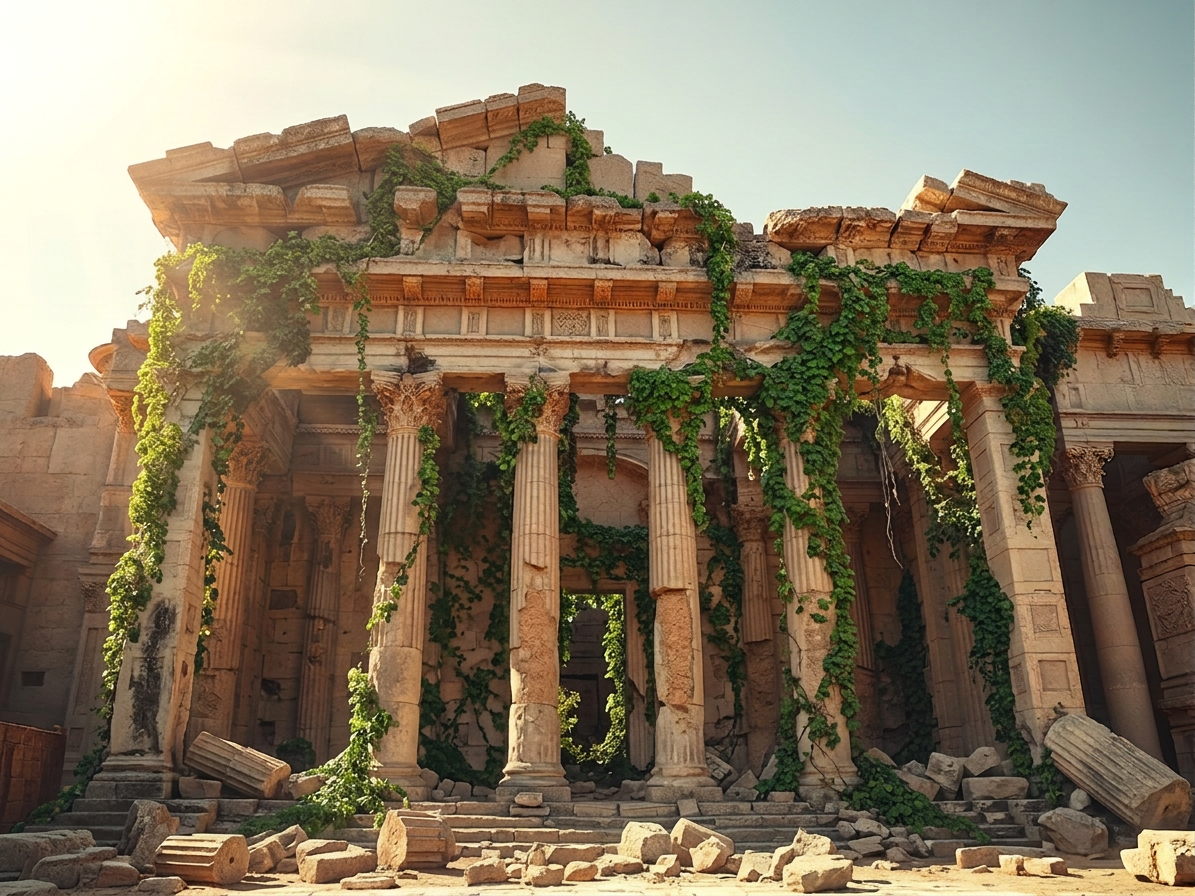
Pergamum had a history of being a powerful city under the control of Rome, yet at times declining in status then Ephesus would then reign as the powerful city in this region. Pergamum was a unique city that had many different aspects that created a nexus for religion, politics, intellectuals and medical arts. There were altars and shrines to various gods and goddesses. Pergamum had a temple to Athena, the goddess of victory, and a huge altar to the ‘king of the gods’ Zeus. An area of the city and a temple was dedicated to Asklepios, the god of healing who was represented by a serpent.
There was a large library with hundreds of thousands of books, making the city a major intellectual destination. Pergamum also became a religious center and a hub for the imperial cult in Asia. It had a temple for living rulers, which attracted visitors as some religious sects believed worshipping an emperor was a smart political choice. Christians in Pergamum faced persecution from emperor worshippers, as their refusal to worship the emperor was seen as treasonous. The Jewish population was protected by a Roman treaty, allowing their refusal to worship the emperor to be safer.
In Chapter 2 of Revelation, starting in verse 12, Jesus says to John, “And to the angel of the church in Pergamum write: ‘The words of him who has the sharp two-edged sword.’ Jesus starts off His letter to Pergamum reminding them exactly Who He is. We closely studied this title of Jesus in a prior post. Jesus is the judge using the sharp sword of the Word of God to sort out the thoughts and intentions of every human heart. Those who have not turned toward Jesus will suffer, while those who have made the decision to accept Jesus will be with Him in heaven forever.
Jesus continues in verse 13, “I know where you dwell, where Satan’s throne is. Yet you hold fast my name, and you did not deny my faith even in the days of Antipas my faithful witness, who was killed among you, where Satan dwells.” Jesus reinforces that He is active among His churches. Jesus knows what is occurring and acknowledges the tribulation that the church in Pergamum is experiencing. While Pergamum certainly had shrines and temples to many false gods, so did the other churches, so why was Pergamum referred to as Satan’s throne? Pergamum was the seat of the imperial cult; this was the only city with such an ‘honor’, which earned them the place where Satan dwells. We must keep in mind that Satan is not everywhere like God, he is one created being that can only be in one place at a time. In a prior post, we analyzed in detail Satan and his origin.
While there are no historical facts about who Antipas was, most likely he was a Christian who refused to participate in emperor worship and was killed. Jesus is commending the believers in the church at the city of Pergamum for holding fast to Jesus and not leaving the faith. No matter how hard life becomes, we must hold fast to Jesus and our faith in Him as the Son of God. Even though we do not know who Antipas was, Jesus knows and He knows you and every single thing you are going through.
In verse 14, Jesus begins to share where the church in Pergamum needs to place more focus. “But I have a few things against you: you have some there who hold the teaching of Balaam, who taught Balak to put a stumbling block before the sons of Israel, so that they might eat food sacrificed to idols and practice sexual immorality. 15 So also you have some who hold the teaching of the Nicolaitans. 16 Therefore repent. If not, I will come to you soon and war against them with the sword of my mouth.”
The issue Jesus addresses is some of the believers in the Pergamum church are engaging in idolatry and wrongdoing. Following teachings that contradict the Bible harms both individuals and the church. As Jesus illustrated, even a little wrong can impact everyone (Matthew 6:6-12). The account of Balaam and Balak is found in Numbers chapters 22-24. Balak, the king of Moab, asked Balaam to curse God’s people, but God only allowed him to bless them. Yet, in Numbers 25:1-9, the Israelites hurt themselves by following Moabite teachings encouraging idol food and sexual immorality, despite God’s protection.
We also see the Nicolaitans mentioned in the letter to Ephesus. The key difference is that Pergamum accepts their teachings, while the church in Ephesus opposes them, just as Jesus does. The key problem that Jesus is pointing out to the church in Pergamum is that once you believe in Jesus as the Son of God, you are to separate yourself from the cults and practices that do not honor God.
In verse 16, Jesus tells His church what to do. “Therefore repent. If not, I will come to you soon and war against them with the sword of my mouth.” Notice who Jesus is speaking to in this verse. He first commands the church to repent and stop tolerating all of the non-Biblical practices. We are called to love everyone but hate sin. In Pergamum, the church allowed everyone to practice whatever they wanted. When Jesus says I will come to you, He is speaking to the church. Jesus is saying the church either needs to stop practicing the sinful teachings or He will come and judge the church and He will strike down all those who practice false teachings. In verse 12, Jesus reminded the church in Pergamum that He speaks judgment, and it is as piercing as a sharp, two-edged sword. If the church does not repent, then Jesus will discipline them.
In verse 17, Jesus commands the church to listen and obey what the Spirit is saying to the church. “He who has an ear, let him hear what the Spirit says to the churches. To the one who conquers I will give some of the hidden manna, and I will give him a white stone, with a new name written on the stone that no one knows except the one who receives it.”
Jesus also provides a promise in verse 17. The one who conquers is the person who repents and turns away from sinful practices. Jesus will give the one who conquers two things, hidden manna and a white stone. When the Israelites were in the desert, God rained down bread from heaven or manna (Exodus 16:4). The manna was a test from God to see if His people would follow His instructions. In the letter to the church at Pergamum, Jesus has given them the instruction to repent, to refuse to allow believers in the church to keep practicing sinful teachings. He is telling us today, in our churches, to look around the pews and see if we are allowing ongoing sinful behavior into our church.
In Biblical times, when a person was invited to a feast, they were given a white stone that they would use to enter the feast. The white stone was a way for the servants to know who to allow into the feast. We know from Scriptures that there will be a feast in heaven for believers (Psalm 22:29, Isaiah 25:6, Matthew 8:11, Luke 13:29, Luke 14:15, 1 Corinthians 10:14). The new name written on the stone will be for the person who receives it. As we noted earlier, Jesus knows everything that you are going through and He will give you a new name “that no one knows except the one who receives it.” As you conquer things in your life through faith in Jesus, He knows; He will give you a new name, based on your faith and what you endured, that only He and you will know.
Let’s pray. Father in heaven, thank You for Jesus. Thank You for the wisdom that we have in the Bible. Lord, help us to apply Your Word in our everyday lives. Lord, help us to study Revelation and give us understanding. In Jesus’ precious name we pray, amen.

